Complex Networks
Research Theme

Complex Networks

Based on graph theory and statistical physics, complex network research characterizes the connection topologies of various real-world systems and investigates their structural features, dynamic evolution, propagation synchronization, robustness and control laws.

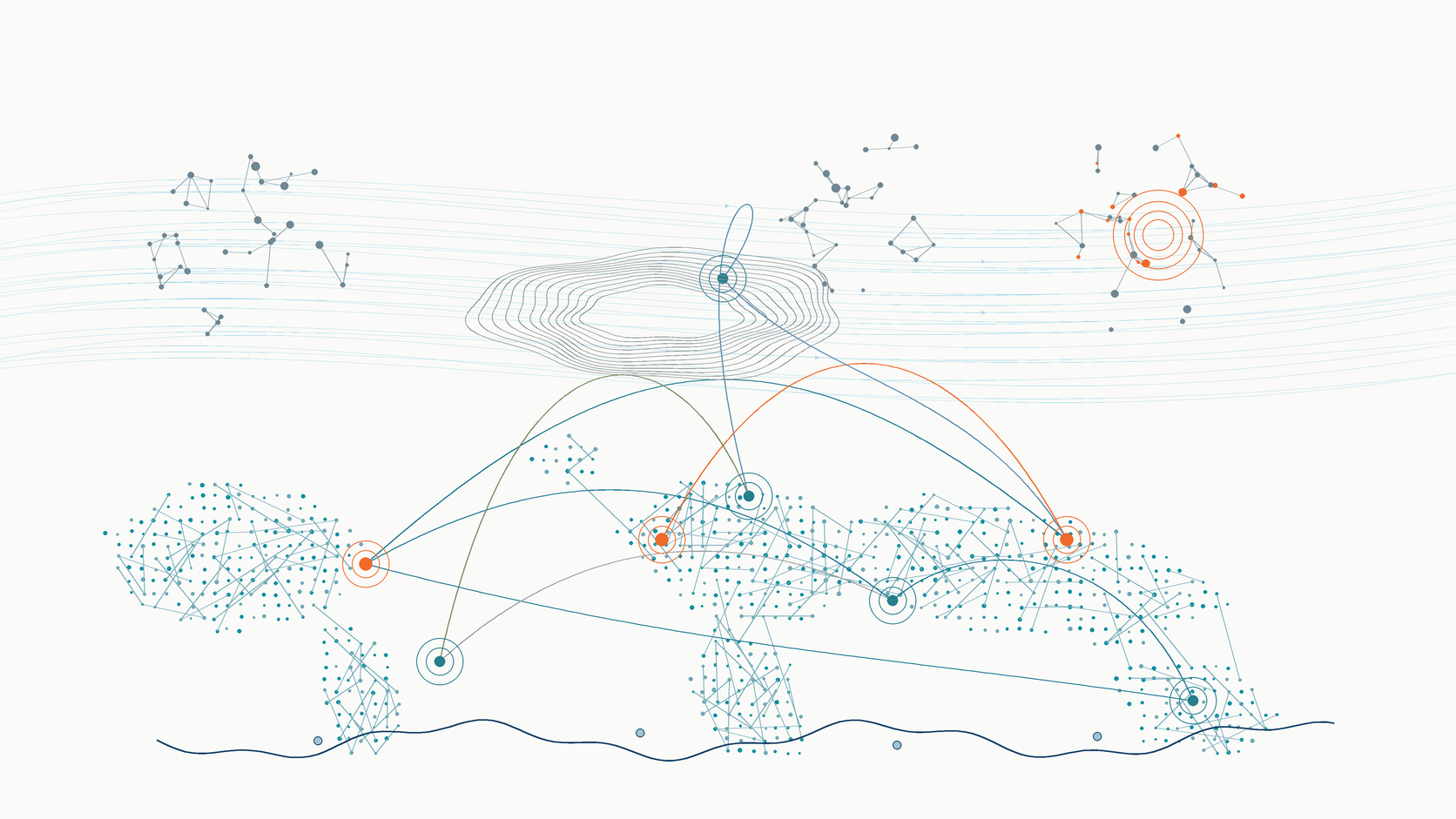
Complex networks construct analytical frameworks based on graph theory, statistical physics and nonlinear dynamics, abstracting real-world systems such as atmosphere, climate and ecology into network models composed of nodes and edges. Research contents include the calculation of topological indicators such as degree distribution, clustering coefficient and centrality. Multi-layer networks, temporal networks and percolation theory are also adopted to describe internal coupling relationships within systems. This methodology excels at mining interaction rules between system elements, identifying pivotal hub nodes, partitioning sub-regions of systems, and simulating dynamic processes including cascading transmission of climate events and synchronous responses of extreme climates.

Combined with observational climate data for empirical analysis, this approach quantifies propagation pathways and action intensity of phenomena such as global warming, El Niño and climate tipping points. It serves as a quantitative analytical tool for understanding nonlinear abrupt changes of the Earth system and linked climate risks across regions.

Theme Works